Introduction to Website Maintenance
Website maintenance is an essential but often undervalued component of managing an online presence. While creating a visually appealing and functional website is important, ongoing maintenance plays a crucial role in ensuring its longevity and effectiveness. This process encompasses various activities aimed at keeping a website running smoothly and effectively serving its intended purpose.
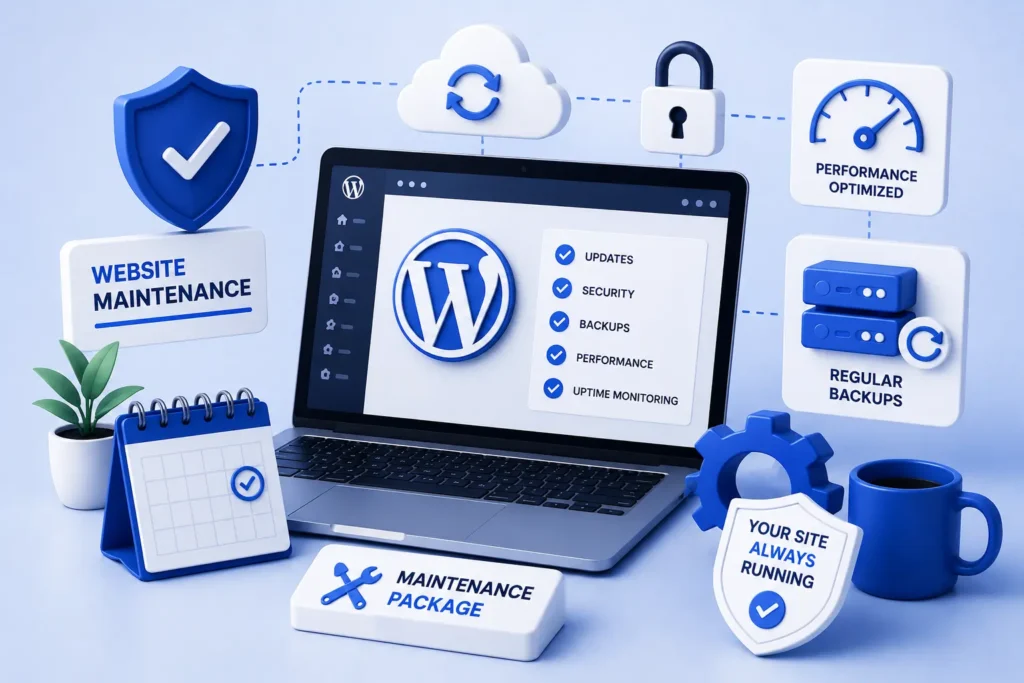
Regular website maintenance includes updates to software and plugins, security checks, content revisions, performance optimization, and monitoring of analytics. Each of these elements contributes to a website’s overall health, security, and user experience. For instance, outdated software can lead to vulnerabilities that cybercriminals may exploit, posing risks to both the website and its users. Additionally, search engines favor websites that are regularly updated, which can significantly enhance a site’s visibility and ranking in search results.
Maintaining a website is not just about fixing issues; it is also about proactive management. Regular checks and updates can prevent potential problems from becoming significant obstacles. Furthermore, a well-maintained website can foster a positive relationship with users, encouraging them to return and engage with the content. Regularly refreshed content also keeps the website relevant, which is particularly important in fast-paced industries.
Balancing the creation of new content with diligent maintenance is crucial for all website owners. While it is common to focus initially on development and design, regular upkeep ensures that those efforts do not fade over time. Understanding the importance of website maintenance and investing in a maintenance package can safeguard your online presence, enhancing both the user experience and the site’s performance.
Common Website Issues That Call for Maintenance
Websites are complex systems that require consistent upkeep to function properly and provide a positive experience for users. Several common issues can arise if regular website maintenance is neglected.
One significant problem is broken links. Over time, links can become obsolete as the external pages they point to are removed or relocated. When users encounter broken links, it leads to frustration, which can cause them to abandon your site, ultimately impacting bounce rates and user satisfaction. Moreover, search engines like Google consider broken links as a negative aspect of website quality, adversely affecting your overall search engine ranking.
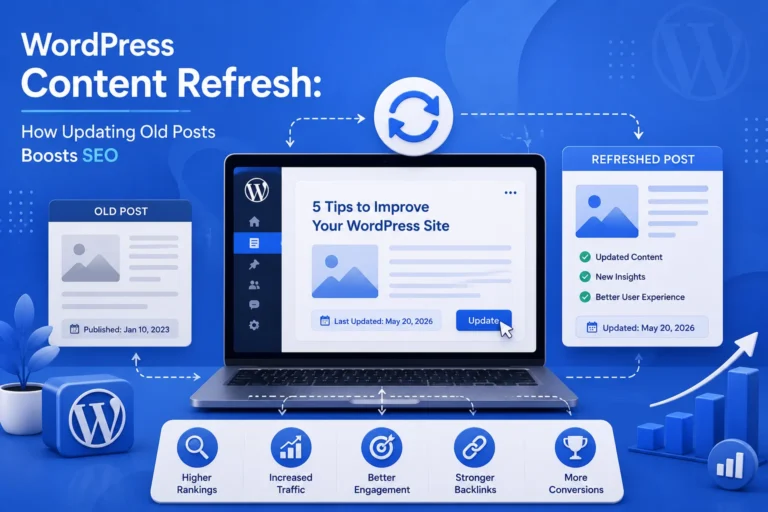
Another prevalent issue is outdated content. Websites that do not regularly update their content risk losing relevance. This can refer to anything from old blog posts that need fresh information to product descriptions that no longer reflect current offerings. Outdated content can mislead users and dissuade them from returning. Furthermore, search engines prioritize fresh and relevant content, so failing to update your website may result in reduced visibility in search results.
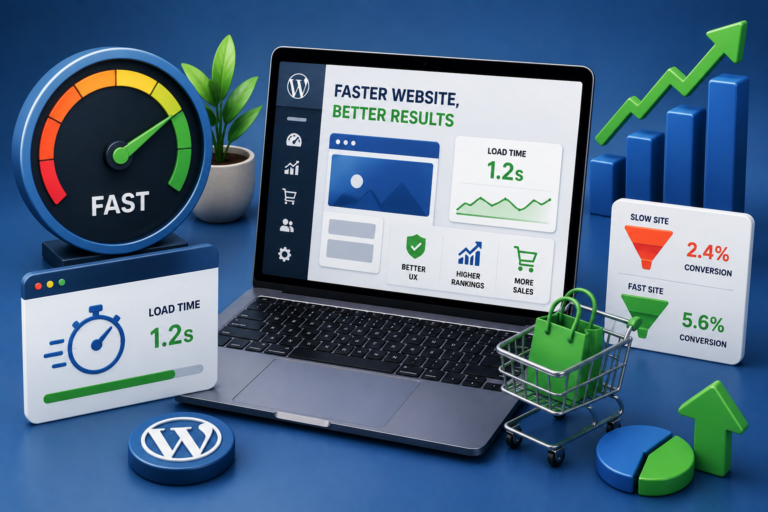
Slow loading times also represent a critical concern. A website that takes too long to load can lead to increased bounce rates, as users are unlikely to wait for a page that constantly lags. This can significantly harm user experience and negatively impact search engine rankings, as performance speed is one of the key factors that search engines evaluate.
In essence, regular website maintenance plays an essential role in resolving these issues and ensuring that your website remains functional and competitive. Addressing common problems such as broken links, outdated content, and slow loading speeds is crucial to preserving both user experience and search engine performance.
The Benefits of Regular Website Maintenance
Regular website maintenance is crucial for sustaining and enhancing the performance of a business’s online presence. One of the primary advantages is the improved performance of the website. Regular updates and optimizations ensure that the site remains fast, responsive, and capable of delivering an excellent user experience. In a world where customers expect quick access to information, a well-maintained website can significantly reduce bounce rates and increase visitor engagement.
Another important benefit is enhanced security. Cyber threats continue to evolve, and websites are often targeted by malicious attacks. Regular maintenance includes timely updates of software, plugins, and security patches, which are essential to protect sensitive data and user information. By investing in a maintenance package, businesses fortify their defenses against hacking attempts and data breaches, thereby safeguarding their reputation and customer trust.
Moreover, regular maintenance fosters increased trust from visitors. When users encounter a website that is frequently updated with fresh content, has minimal errors, and exhibits professional design, their perception of the brand improves significantly. This reliability can lead to higher conversion rates, as customers are more likely to engage with a business that demonstrates attention to detail and care for its digital presence.
In addition to these benefits, consistent website maintenance supports better search engine optimization (SEO). Search engines, like Google, favor websites that are regularly updated and perform well technically. This can lead to improved rankings in search results, making it easier for potential customers to discover the business online.
In conclusion, the advantages of regular website maintenance encompass improved performance, enhanced security, and increased trust from visitors. These factors are vital for the overall success of a business in the online landscape.
What to Look for in Website Maintenance Packages
When selecting a website maintenance package, it is crucial to consider several essential features and services that will ensure the ongoing health and security of your website. Regular updates are among the most important aspects. A reliable maintenance package should include regular software and plugin updates to protect against vulnerabilities and ensure compatibility with emerging technologies. Keeping your website current not only improves its functionality but also enhances user experience.
Another fundamental service included in a maintenance package is the backup system. Frequent backups, ideally automated, safeguard your website against data loss caused by potential threats like server crashes or cyber-attacks. Knowing that there is a robust backup process in place provides peace of mind and allows for quick recovery in case of emergencies.
Security checks are also a crucial element of website maintenance. The package should include regular scans for malware and vulnerabilities, along with measures for securing your website against hacking attempts. A comprehensive security strategy can significantly mitigate risks and protect sensitive user information, reflecting positively on your brand’s reputation.
Customer support is another vital aspect to consider. A website maintenance package should offer responsive, accessible support to assist with technical issues or queries that may arise. Look for providers that offer different support channels, such as live chat, email, or phone, ensuring that you won’t be left in the lurch should a problem occur.
Finally, evaluate the overall pricing and additional features included in the maintenance package. Services such as performance optimization, comprehensive analytics reporting, and SEO assessments can provide value-added benefits, ensuring that your website remains competitive in an ever-evolving digital landscape. By carefully assessing these elements, you can choose a website maintenance package that best meets your needs.
DIY Website Maintenance vs. Professional Maintenance Packages
When it comes to website maintenance, businesses often face a crucial decision: whether to handle maintenance tasks in-house or to invest in professional maintenance packages. Each option has its own set of advantages and disadvantages that should be carefully considered.
One of the primary benefits of DIY website maintenance is cost savings. Managing your own website maintenance can appear less expensive at first glance, particularly for small businesses with limited budgets. However, this initial cost-effectiveness may be misleading. The investment of time and effort required can quickly escalate. Those in-house may lack the technical skills necessary, leading to subpar maintenance results that could compromise website performance and security.
On the other hand, professional maintenance packages come with the assurance of expertise. These services employ specialists who are well-versed in the latest technologies and best practices in website maintenance. They provide regular updates, backups, and security checks, which can prevent potential issues from escalating into expensive problems. Furthermore, a lack of periodic maintenance can leave a website vulnerable to cyber threats, thereby risking damage to reputation and financial loss.
Time investment is another critical factor. Managing a website requires ongoing attention, which can detract from other important business operations. For companies focused on growth, leveraging a professional service allows team members to concentrate on their core functions, ultimately fostering an environment conducive to expansion.
In terms of quality, professional maintenance packages often deliver superior results. They not only provide immediate fixes but also offer long-term strategic guidance to enhance website functionality. Meanwhile, DIY approaches may yield quick solutions that are often temporary and less effective.
Ultimately, the choice between DIY website maintenance and professional packages hinges on weighing the costs against the benefits. Businesses must assess their resources, expertise, and long-term goals to make an informed decision that will best serve their unique needs.
Case Studies: Successful Website Maintenance Strategies
In the rapidly evolving digital landscape, businesses are increasingly recognizing the importance of regular website maintenance as a cornerstone of their online strategy. One notable case is that of a small e-commerce company, ShopSmart, which initially struggled with a slow-loading website and frequent downtime.
After implementing a comprehensive website maintenance package that included performance optimization and regular content updates, ShopSmart reported a remarkable 50% increase in user engagement. The fast and seamless user experience markedly improved customer satisfaction, resulting in a significant uptick in conversion rates.
An equally compelling case is that of Tech Innovations Inc., a tech startup that experienced frequent security breaches due to outdated plugins and themes. By partnering with a professional website maintenance service, Tech Innovations implemented an ongoing security assessment and regular updates.
This proactive approach mitigated risks and provided peace of mind for both the business and its customers. Following these enhancements, the company noted a dramatic reduction in security incidents, thus protecting sensitive customer information and reinforcing their brand integrity.
Additionally, the educational institution LearnWorld underwent a transformation after prioritizing website maintenance. Previously, their website was difficult to navigate, leading to high bounce rates. By investing in user experience improvements and regular content audits, LearnWorld not only revitalized its web presence but also boosted student inquiries by 40%. This case highlights that continuous updates and maintenance can lead to substantial positive changes in stakeholder engagement.
These case studies illustrate the tangible benefits of implementing a consistent website maintenance strategy. By addressing common issues such as performance, security, and user experience, businesses can create an adaptable online presence that not only meets but exceeds user expectations, ultimately enhancing overall operational success.
Cost Considerations: Is a Maintenance Package Worth It?
The financial implications of website maintenance are a pivotal consideration for any business operating online. While one-off tasks may appear less costly at first glance, the reality is often more nuanced.
Engaging in sporadic maintenance can lead to higher expenses over time due to the cumulative nature of issues that may arise as a website ages. One-off updates, such as security patches or plugin installations, might seem straightforward, yet these can accumulate and potentially escalate into more significant problems if not regularly addressed.
This underlines the importance of evaluating whether a maintenance package is a prudent investment.
In many cases, a maintenance package can offer considerable cost savings in the long run. These packages not only cover regular updates and monitoring but also often include critical services such as website backups and enhanced security protocols. By opting for a maintenance subscription, businesses may find that they can mitigate risks and ultimately prevent costly breakdowns or security breaches that could otherwise lead to lost revenue, tarnished reputation, or detrimental downtime.
It is also essential to consider the opportunity costs of self-managing website maintenance. The time spent addressing small issues can detract from core business functions and strategic initiatives. By investing in a maintenance package, companies can free up valuable resources, allowing teams to focus on their primary objectives rather than on upkeep.
Therefore, in assessing the financial implications, it becomes evident that maintenance packages not only streamline the upkeep process but also contribute positively to a business’s bottom line.
In conclusion, while one-off maintenance tasks may seem economical at first, they can lead to higher costs and operational inefficiencies over time. A comprehensive maintenance package emerges as a valuable investment that secures and enhances the long-term viability of a website.
How to Choose the Right Website Maintenance Package
Selecting the appropriate website maintenance package is crucial for ensuring the ongoing functionality and security of your site. The first step in this process is to evaluate the specific needs of your business. Consider the type of website you operate, whether it’s a simple blog, an e-commerce platform, or a service-oriented site.
Assess the frequency of content updates, the complexity of your site features, and the level of security required. Understanding these elements will provide a solid foundation for determining what maintenance services you need.
Next, it is essential to understand the pricing structures associated with different maintenance packages. Website maintenance costs can vary significantly based on the services offered, such as regular backups, security scans, and software updates.
Look for transparency in pricing; some providers may have a flat monthly fee, while others may charge based on the services rendered. It is beneficial to obtain quotes from multiple providers to gain a clearer understanding of the market rate for the services you require.
Additionally, consider whether the package offers a tiered structure that allows for scaling up as your business grows.
Researching various service providers is the final step in selecting a website maintenance package. Look for companies that have a solid reputation, verified client testimonials, and a portfolio of previous work. Additionally, investigate their customer support services; prompt and reliable support is critical for resolving issues quickly.
Consider if they provide a dedicated account manager or if support is handled through a ticketing system. Gathering this information will equip you with the necessary insights to choose a maintenance package that aligns with your business goals and supports your website effectively.
Conclusion: Make Maintenance a Priority
In the digital landscape, where competition is constantly evolving, the significance of regular website maintenance cannot be overstated. A well-maintained website not only enhances user experience but also significantly impacts search engine rankings and overall business credibility. Throughout this post, we have explored the various facets of website maintenance, emphasizing the importance of staying proactive rather than reactive.
Firstly, we discussed how routine updates to your website’s software and content help prevent security vulnerabilities, ensuring your site is safeguarded against potential threats. Additionally, maintaining the functionality and appearance of your website is critical, as it affects how users perceive your brand. A broken link or outdated design can deter potential customers and undermine trust.
Furthermore, we highlighted the role of regular backups, which are essential in preventing data loss and ensuring business continuity. Being prepared for unexpected technical failures not only saves time but also reduces stress. Companies that invest in a maintenance package or commit to a maintenance schedule are better positioned to recover swiftly from such incidents.
Ultimately, adopting a proactive approach to website maintenance is not just about fixing problems when they arise; it is about establishing a long-term strategy that supports your business objectives. By ensuring that your website remains functional, secure, and visually appealing, you’re strengthening your brand’s online presence and fostering customer loyalty.
We encourage you to explore various website maintenance packages available on the market or to create a regular maintenance routine tailored to your specific needs. In a world where your online presence is a vital component of business success, making maintenance a priority is not merely an option—it is a necessity.
Get a free audit covering security, updates, backups, and performance gaps. Takes 60 seconds to request and costs nothing.